How Long Can Pizza Dough Cold Ferment in the Fridge?
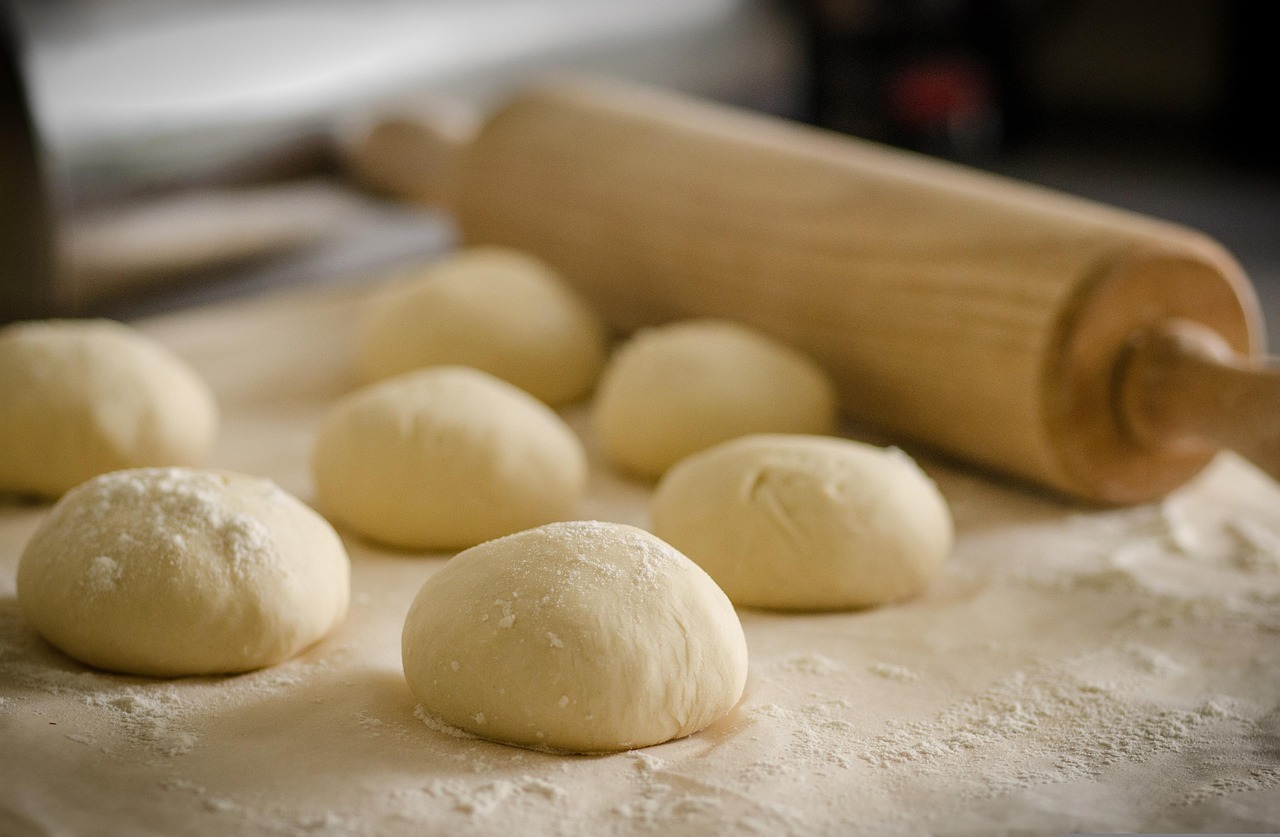
Learn how long pizza dough can sit in the fridge, what changes at 24, 48 and 72 hours, and how yeast and temperature set the limit.

Learn how long pizza dough can sit in the fridge, what changes at 24, 48 and 72 hours, and how yeast and temperature set the limit.
Sticky pizza dough usually comes down to hydration, weak gluten, warm dough or over-fermentation. Here is how to diagnose it and fix it, step by step.
The Ultimate Guide to Pizza Styles: A Technical Journey into the Heart of Dough Introduction I still remember my first day in the kitchen: flour covering every surface, dough clinging stubbornly to my hands, and one persistent question—why won’t this dough stretch the way I want? As a gastronomy graduate and professional chef, I eventually … Read more
Sourdough is not just a recipe; it’s a biological ecosystem. From the freezing temperatures of Northern Norway to common technical errors, we dive into the science of why starters fail and how to fix them. Master fermentation kinetics to achieve that perfect professional rise.
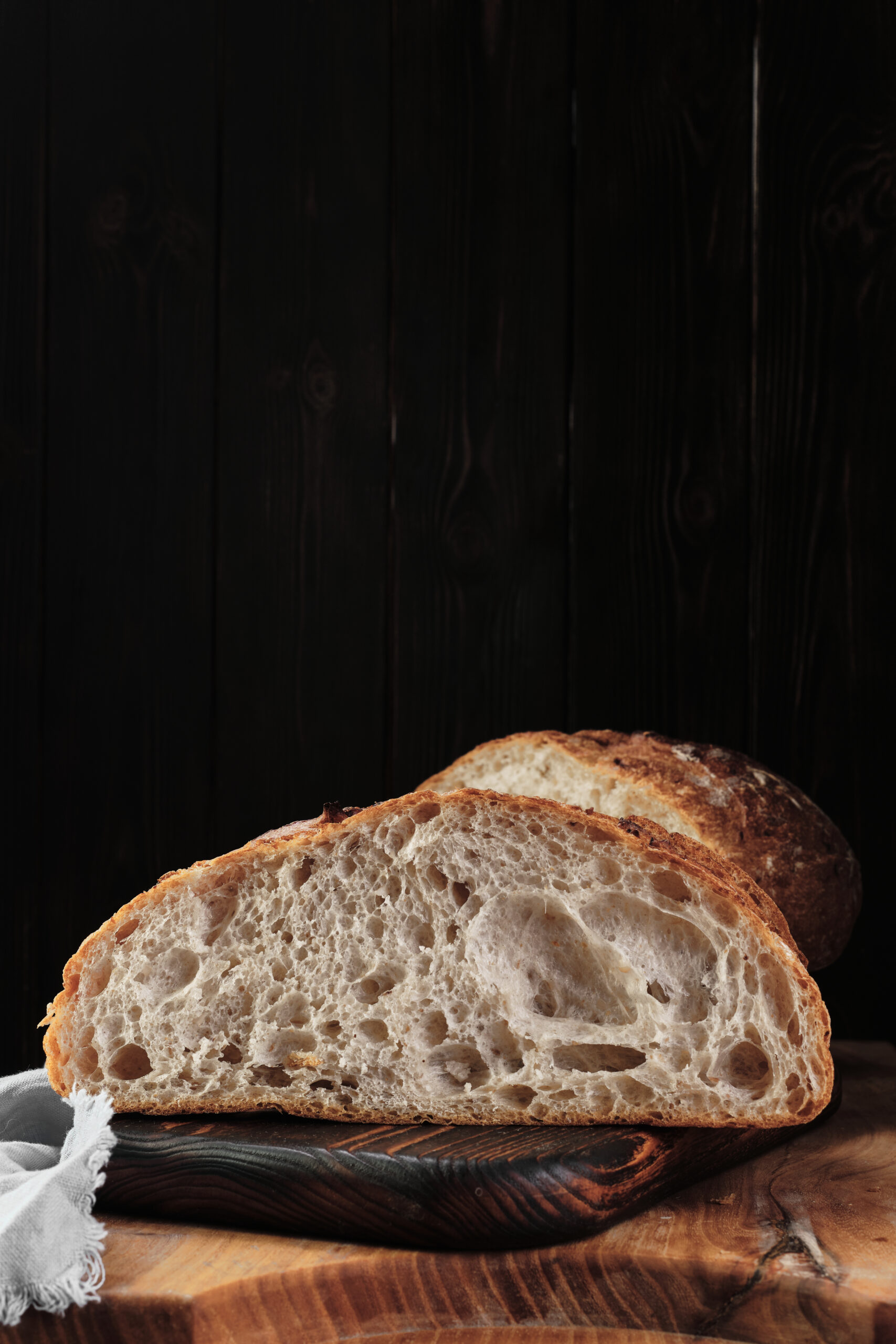
That intoxicating aroma and deep mahogany crust are no accident. We break down the complex chemical dance between amino acids and reducing sugars that defines professional baking. Master the variables of heat, pH, and protein kinetics to engineer the ultimate flavor profile in your dough.
Hydration is the heartbeat of dough, yet it is often the most misunderstood variable in pizza making. We dive into how water acts as a solvent for gluten development, a fuel for enzymatic activity, and a master controller of crust texture. Move beyond basic recipes and learn to manipulate hydration like a professional scientist.

Authentic Neapolitan pizza is born from the balance of high heat and controlled fermentation. We break down the technical barriers of home ovens, exploring cold retardation, hydration strategies, and the science of “leopard spotting.” Transform your kitchen into a pizzeria by mastering the physics of dough and thermodynamics.
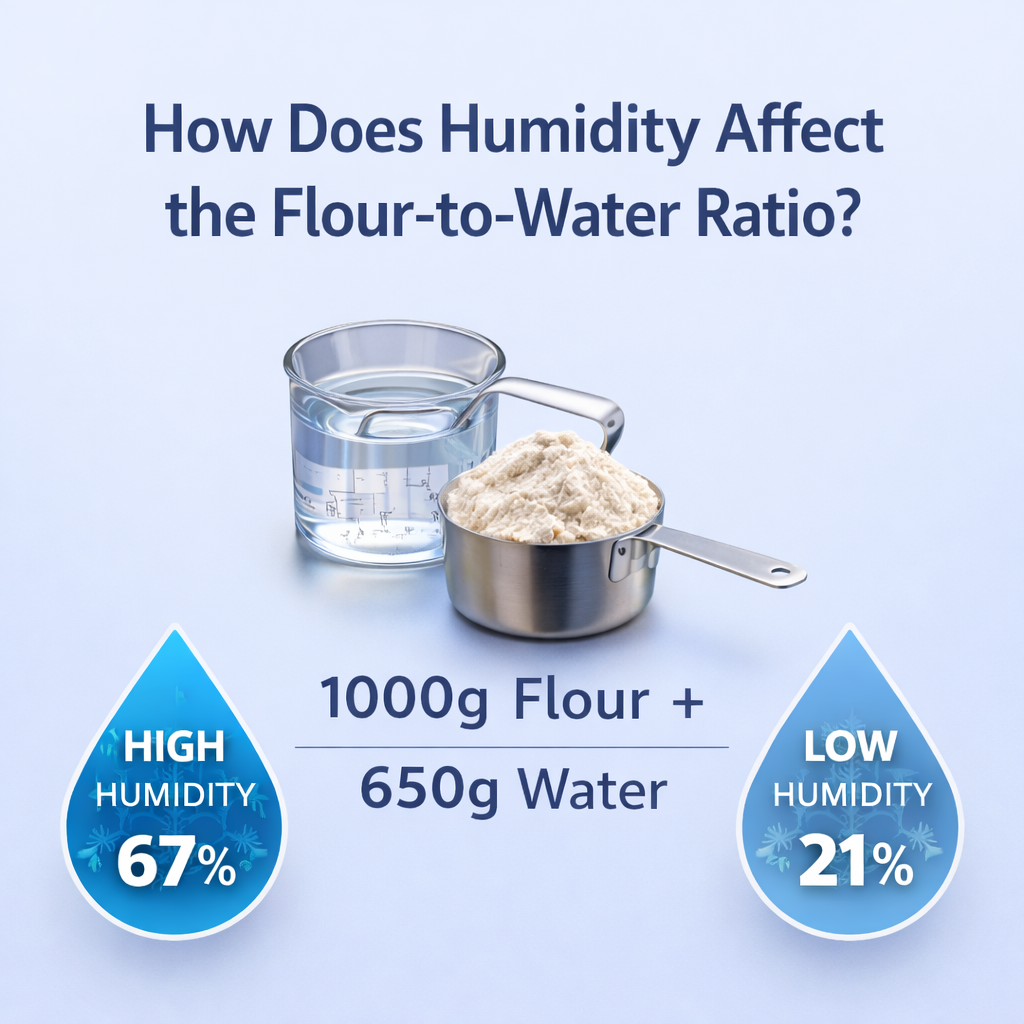
Flour is a living, “thirsty” sponge that breathes the air around it. From the humid coasts to the dry Arctic winters of Norway, ambient humidity can secretly alter your hydration levels. Learn the science of hygroscopic flour and master the “Reserve Water Method” to maintain a perfect, consistent dough in any climate.

In the battle for the perfect crust, is the traditional “Lievito di Birra” superior to modern dry yeast? We analyze the biological differences and fermentation kinetics of each. Learn why “less is more” for a 48-hour slow rise and how to achieve professional consistency in your Neapolitan pizza dough, whether you’re a traditionalist or a realist.

Stretching pizza dough shouldn’t be a wrestling match. If your dough acts like a rubber band, you’re fighting the physics of gluten tension. We explore the science of elasticity versus extensibility, the impact of temperature, and the “Walk Away” method to turn stubborn dough into a professional, easy-to-stretch crust.