
Dry Yeast vs. Fresh Yeast: Which One is Better for Long Fermentation?
Reading Time: 5 Minutes
Category: Dough Science / Ingredients
Focus Keywords: Long fermentation, Neapolitan pizza dough, active dry yeast vs fresh yeast, slow rise pizza, dough hydration, pizza science.
If you are serious about mastering the art of Neapolitan pizza, you eventually hit a fork in the road: Fresh yeast or Dry yeast? In the culinary world, specifically in Italy, fresh yeast (Lievito di Birra) is often treated like a sacred relic. But when you are baking at home—maybe in a cozy kitchen in Norway or a busy apartment in Istanbul—the “best” choice depends entirely on one thing: Control.
When we talk about long fermentation (24, 48, or even 72 hours), the yeast isn’t just making the dough rise; it’s developing flavor, breaking down sugars, and creating that airy, digestible crust we all crave.
The Basics: What is the Difference?
Before we dive into the long fermentation battle, let’s clear up the confusion. What exactly are these little powerhouses we call yeast?
What is Fresh Yeast (Compressed Yeast)?
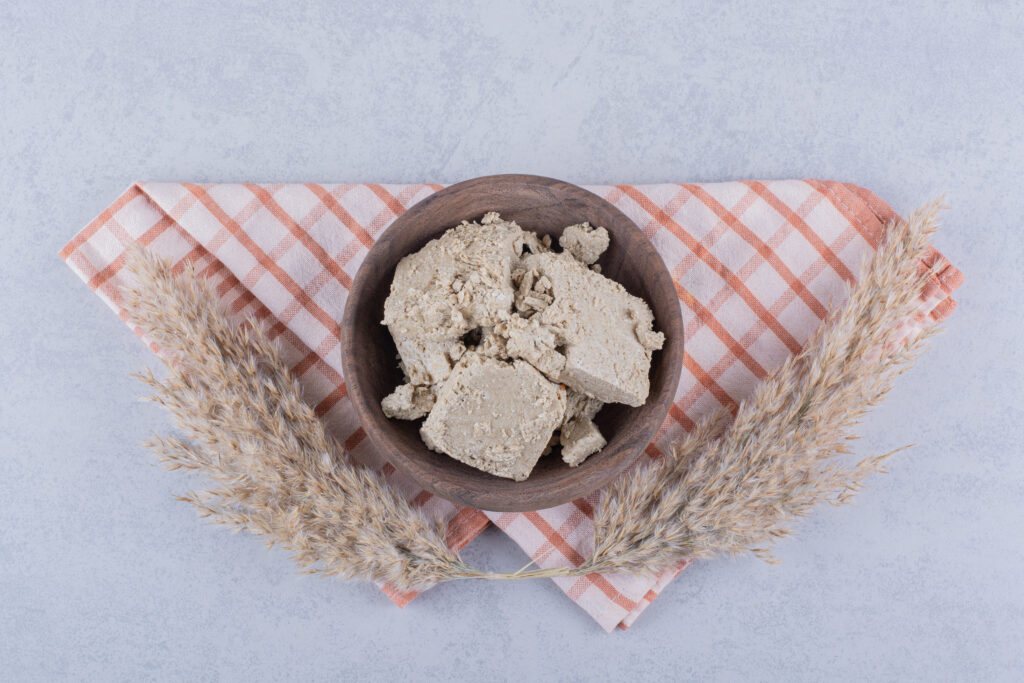
Fresh yeast, often called Lievito di Birra in Italy, is a moist, firm block of living yeast cells. It hasn’t been processed much, which is why it needs to stay refrigerated. It is the traditional choice for an authentic Neapolitan pizza dough. Because it is “active” right out of the box, it starts the fermentation process almost instantly.
What is Dry Yeast (Active or Instant)?
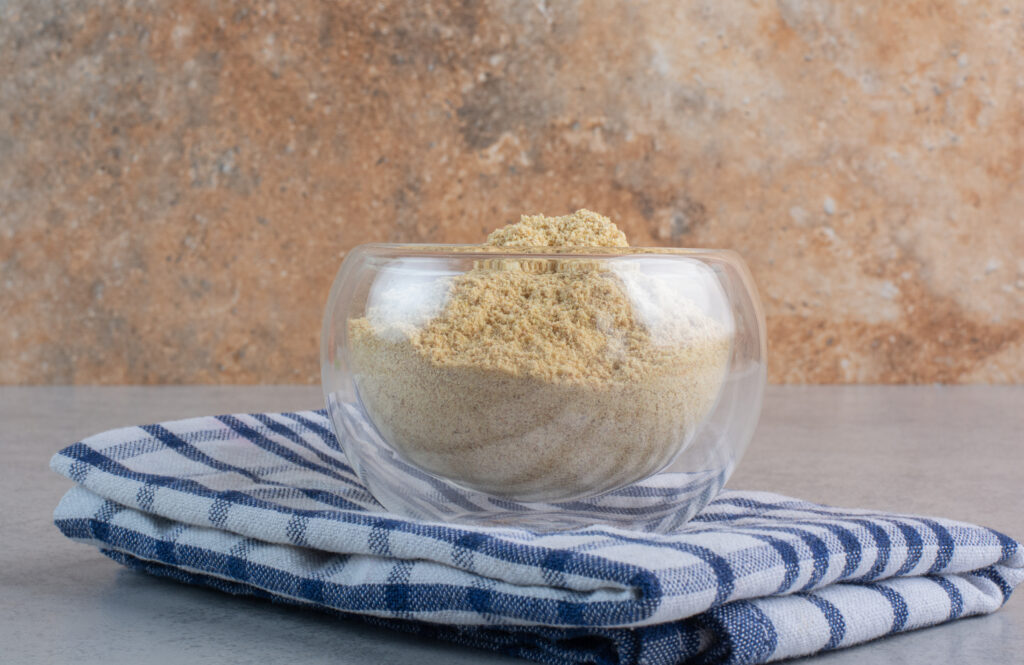
Dry yeast is simply fresh yeast that has been dried into small, dormant granules.
- Active Dry Yeast: Needs to be “bloomed” in warm water before adding to flour.
- Instant Dry Yeast: Can be mixed directly into your dry ingredients. In the world of dough science, dry yeast is favored for its long shelf life and incredible consistency, especially when you are testing your flour-to-water ratio over several days.
Why Does the Type of Yeast Matter for Pizza?
When you are learning how to make Neapolitan pizza at home, you’ll realize that yeast isn’t just about the “rise.” It’s about the breakdown of complex starches into simple sugars. Whether you choose fresh or dry affects your slow rise pizza‘s final aroma, crust color, and even how easily it digests.
1. Fresh Yeast (The Living Classic)
Fresh yeast is compressed, moist, and alive. It comes in those little refrigerated cubes.
- The Pros: It has a very “clean” fermentation profile. It starts working the moment it hits the water. Purists argue it gives a slightly sweeter, more floral aroma to the Neapolitan pizza dough.
- The Cons: It’s temperamental. It expires quickly (usually 2-3 weeks), and if it’s not stored at the perfect cool temperature, its potency drops fast.
- For Long Fermentation: Because it’s so active, using it for a slow rise pizza requires extreme precision. You often need amounts so small (0.1g or 0.2g) that a standard kitchen scale can’t even pick it up.
2. Dry Yeast (The Modern Reliable)
Whether it’s Active Dry or Instant, dry yeast is essentially fresh yeast that has been dehydrated into dormant granules.
- The Pros: It’s stable, consistent, and lasts for months. You know exactly how much “power” is in every gram.
- The Cons: Some low-quality dry yeasts can have a slightly “nutty” or “yeasty” aftertaste if used in high quantities.
- For Long Fermentation: This is where dry yeast shines. Because it’s concentrated, it’s much easier to measure out the tiny amounts needed for a 48-hour cold fermentation.
The Science: Why “Less is More” for Long Fermentation
In dough science, time is an ingredient. If you use too much yeast, the dough rises too fast. The yeast eats all the available sugars before the gluten has time to relax and the enzymes have time to create flavor.
For a long fermentation, we want to “sleep” the yeast.
- Cold Fermentation: We put the dough in the fridge.
- Yeast Activity: Fresh yeast reacts more sharply to temperature changes. Dry yeast tends to stay more stable during that 48-hour window in the fridge.
Chef’s Verdict: Which one should you use?
If you are a professional with a high-turnover kitchen and a dedicated dough fridge, Fresh Yeast is a beautiful tradition.
However, if you are learning how to make Neapolitan pizza at home: I recommend Instant Dry Yeast (IDY). Why? Because consistency is the foundation of science. When you’re tweaking your dough hydration or testing new flours, you need a yeast that behaves the same way every single time.
Chef’s Secret Rule of Thumb: > If a recipe calls for Fresh Yeast and you want to use Dry Yeast, divide by 3. 30g Fresh Yeast = 10g Active Dry Yeast.
Troubleshooting: Did your yeast die?
Before you start your 48-hour journey, always “proof” your yeast if you aren’t sure. Mix it with a little lukewarm water (not hot!) and a pinch of sugar. If it doesn’t foam up in 10 minutes, don’t waste your flour. Start over.
What’s your go-to? Are you a fresh yeast traditionalist or a dry yeast realist? Let’s talk in the comments below!
Pingback: How to Make Neapolitan Pizza at Home? -
Pingback: The Science of Hydration: Why Your Pizza Dough is More Than Just Water -