
Why Does My Pizza Dough Snap Back When I Stretch It?
Have you ever been there? You’ve prepped your dough, your oven is screaming hot, and you’re ready to shape that perfect 12-inch Neapolitan crust. But every time you pull the dough, it just snaps right back like a rubber band. It’s frustrating, it’s exhausting, and honestly, it’s a workout you didn’t ask for.
As a professional chef, I see this all the time. Don’t worry—your dough isn’t “bad.” It’s just being a bit too stubborn. Let’s dive into the science of why this happens and how you can win the battle against the “Snap-Back.”
1. The Villain: Gluten Tension
The main reason your dough is acting like a bungee cord is Gluten. Think of gluten as the muscle of your dough. When you knead it, you’re building a strong, elastic network. If that network is too tight or hasn’t had time to relax, it will fight you.
- The Science: Gluten is made of two proteins—gliadin (for extensibility) and glutenin (for elasticity). If your dough is too elastic, the glutenin is winning the tug-of-war.
2. The Temperature Factor (The Cold Truth)
If you’re taking your dough straight from the fridge to the counter, stop! Cold dough is naturally tighter. The molecular structure is more rigid, and the gases inside are dormant.
- Chef’s Tip: Cold dough will always snap back. Give it at least 2–3 hours at room temperature before you even think about stretching it.

3. The “Under-Rested” Syndrome
If you just finished balling your dough and tried to stretch it 10 minutes later, it’s going to fight you. Shaping creates tension. That tension needs time to dissipate.
How to Fix It (The Chef’s Routine)
Step 1: Patience is Your Best Ingredient
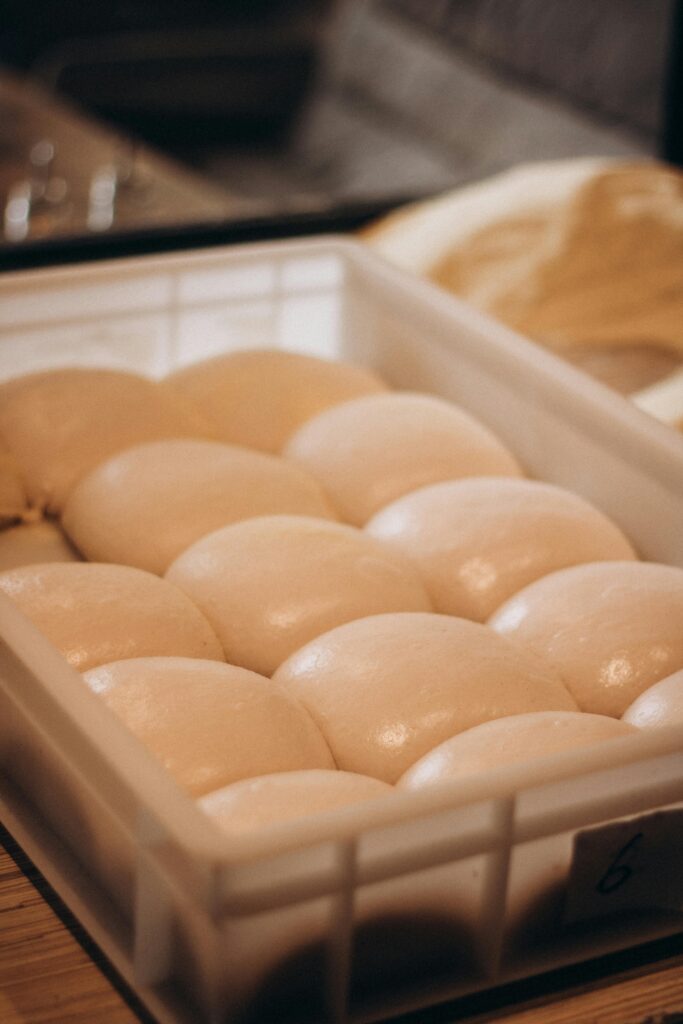
After you portion your dough into balls, let them rest for at least 4 to 6 hours at room temperature (or 24-48 hours in the fridge followed by a 3-hour room temp warm-up). This allows the gluten to relax and become extensible.
Step 2: The “Walk Away” Method
If you’re halfway through stretching and the dough starts fighting you, stop. Cover it with a damp cloth, walk away, and grab a coffee. Give it 10–15 minutes. When you come back, those gluten strands will have relaxed, and the dough will be much more submissive.
Step 3: Stop Over-Kneading
If you’re using a high-protein flour (like a strong bread flour or “00”), you don’t need to knead it for 20 minutes. Over-kneading creates a structural “cage” that is incredibly hard to open up later.
The Verdict
Stretching dough shouldn’t be a wrestling match. If it’s snapping back, it’s simply telling you: “I’m not ready yet.” Respect the fermentation, watch the temperature, and give it time to breathe. Remember, at Dough Science, we don’t fight the dough; we work with the science.
Got a stubborn dough right now? Tell me in the comments what flour you’re using, and let’s troubleshoot it together!
Pingback: Dry Yeast vs. Fresh Yeast: Which One is Better for Long Fermentation? -
Pingback: How to Make Neapolitan Pizza at Home? -